Essential Plumbing Tools: A Comprehensive Overview
A comprehensive guide to essential plumbing tools including plungers, pipe wrenches, adjustable wrenches, pipe cutters, and channel-lock pliers. Learn about their functions, maintenance, and tool sets.
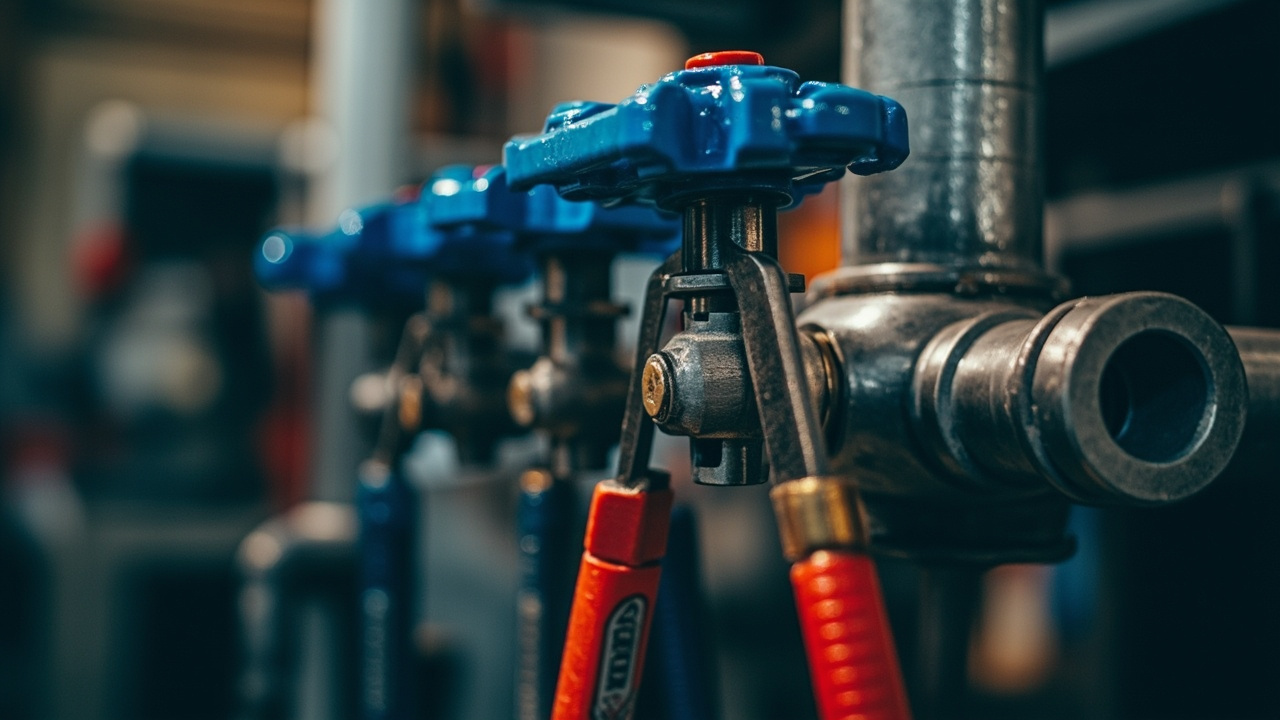
Essential Plumbing Tools: A Comprehensive Overview
1. Introduction to Plumbing Tools
Plumbing tools are specialized equipment designed for installing, maintaining, and repairing plumbing systems. These tools are essential for both professional plumbers and DIY enthusiasts who want to handle basic plumbing repairs with confidence. Having the right tools can save time, prevent damage to fixtures, and ensure repairs are done correctly the first time.
This overview will cover five essential types of plumbing tools, their primary functions, maintenance requirements, and available tool sets. Each tool type will be accompanied by a representative image to help identify them easily.
2. Essential Plumbing Tools
2.1 Plungers

Primary Function: Plungers are the most basic yet essential tool for dealing with clogged toilets and drains. A good plunger creates a strong seal and vacuum that can dislodge most blockages.
Types of Plungers:
-
Flange Plunger: Designed specifically for toilets with an extended rubber lip that creates a better seal for toilet bowls
-
Cup Plunger: Works best for flat surfaces like sink drains and shower drains
Key Features:
- Made with durable rubber cup for creating suction
- Sturdy handle for applying force
- Ergonomic design for comfortable use
- Available in different sizes for various drain types
Maintenance Tips:
- Inspect the cup and handle weekly for cracks, splits, or softening of the rubber
- Clean the plunger after each use with hot water and mild detergent
- Store in a dry place away from direct sunlight to prevent rubber deterioration
- Replace immediately if any deformity prevents a firm seal
2.2 Pipe Wrenches

Primary Function: Pipe wrenches are heavy-duty tools designed for turning pipes and fittings with rounded surfaces. They provide the leverage needed to loosen or tighten stubborn connections that regular wrenches cannot handle.
Types of Pipe Wrenches:
- Straight Pipe Wrench: Used for straight pipes and general purposes
- Offset Pipe Wrench: Designed for working in tight spaces
- Compound Leverage Wrench: Provides extra leverage for extremely tight fittings
Key Features:
- Spring-loaded jaw for easy adjustment
- Hardened steel construction for durability
- Smooth jaw faces to prevent damage to chrome-plated fixtures
- Replaceable hook jaw and heel jaw for extended tool life
Maintenance Tips:
- Keep the adjustment mechanism clean and free of debris
- Apply machine oil to the screw thread periodically
- Inspect the jaw teeth for wear and replace when necessary
- Store in a dry environment to prevent rust
2.3 Adjustable Wrenches

Primary Function: Adjustable wrenches are versatile tools that can be adjusted to fit different sizes of nuts, bolts, and fittings. They are essential for plumbing work where exact size matching is uncertain.
Types of Adjustable Wrenches:
- Crescent Wrench: Features a thin jaw profile for working in tight spaces
- Basin Wrench: Specialized for working under sinks and in confined areas
- Construction Wrench: Heavy-duty version for industrial applications
Key Features:
- Smooth jaw adjustment mechanism
- Chrome vanadium steel construction for strength
- Polished finish for easy cleaning
- Comfortable grip handle
Maintenance Tips:
- Clean the worm gear regularly to prevent debris buildup
- Apply grease to the adjustment screw thread
- Avoid over-adjusting the jaw beyond its capacity
- Store with jaw in the closed position
2.4 Pipe Cutters

Primary Function: Pipe cutters provide clean, square cuts on various pipe materials including copper, PVC, and steel. They are preferred over hacksaws for their speed and precision.
Types of Pipe Cutters:
- Roller-Type Pipe Cutter: Standard cutter for copper and thin-walled pipes
- Chain Pipe Cutter: For large-diameter pipes that cannot be rotated
- Plastic Pipe Cutter: Specialized for PVC and CPVC pipes
Key Features:
- Sharp cutting wheel for clean cuts
- Adjustable depth stop for consistent cut length
- Deburring attachment for removing sharp edges
- Compact design for working in tight spaces
Maintenance Tips:
- Replace the cutting wheel when it becomes dull
- Keep the roller bearings lubricated
- Clean the tool after each use to remove debris
- Check alignment of the cutting wheel regularly
2.5 Channel-Lock Pliers

Primary Function: Channel-lock pliers, also known as tongue-and-groove pliers, feature an adjustable jaw that can be set to multiple positions. They are designed for gripping, turning, and tightening various shapes and sizes of objects.
Types of Channel-Lock Pliers:
- Standard Channel-Lock Pliers: 10-inch size for general use
- Mini Channel-Lock Pliers: For precision work in tight spaces
- Large Pump Pliers: For extra leverage on larger fittings
Key Features:
- Self-locking jaw that adjusts to grip various sizes
- Curved jaws for conforming to rounded objects
- Push-button adjustment for quick size changes
- Comfortable plastic-dipped handles
Maintenance Tips:
- Keep the locking mechanism clean and functional
- Oil the pivot point periodically
- Inspect the jaw teeth for wear
- Avoid using the pliers as a hammer
3. Tool Sets and Kits
3.1 Basic Tool Kits
For homeowners handling occasional plumbing repairs, a basic tool kit should include:
- One 6-inch and one 10-inch plunger
- One 10-inch straight pipe wrench
- One 8-inch adjustable wrench
- One small pipe cutter for copper pipes
- One set of channel-lock pliers
Average Cost: $50-100
Recommended Brands: RIDGID, Milwaukee, Channellock
3.2 Professional Tool Sets
Professional plumbers require more comprehensive tool sets:
- Multiple sizes of pipe wrenches (10”, 14”, 18”)
- Basin wrench
- Heavy-duty pipe cutter with replacement wheels
- Complete set of channel-lock pliers
- Thread-sealing tape and compound
- Drain snake or auger
Average Cost: $300-500
Recommended Brands: RIDGID, Reed, Matco
3.3 Tool Storage and Organization
Proper tool storage extends tool life and improves efficiency:
- Wall-mounted pegboard for easy access
- Rolling toolbox for job site mobility
- Socket organizers for small parts
- Tool chest with drawer dividers
4. Maintenance Guidelines
4.1 General Maintenance Tips
- Clean tools after each use to remove debris and moisture
- Apply light machine oil to metal surfaces to prevent rust
- Store in a dry, organized location
- Inspect tools regularly for signs of wear or damage
- Replace worn parts promptly to maintain performance
4.2 Specific Tool Maintenance
Plungers: Replace rubber cups annually or when cracked. Store upright to maintain shape.
Pipe Wrenches: Keep the hook jaw and heel jaw clean. Apply oil to adjustment screw monthly.
Pipe Cutters: Replace cutting wheels when dull. Keep roller bearings lubricated.
Channel-Lock Pliers: Oil pivot point monthly. Keep jaw teeth clean and debris-free.
5. Safety Considerations
- Always wear safety glasses when working with plumbing tools
- Use hearing protection when using power tools
- Wear gloves to protect hands from sharp edges and chemicals
- Ensure proper ventilation when working with sealants and adhesives
- Never use damaged tools - inspect before each use
- Keep work area clean and organized to prevent trips and falls
6. Conclusion
Having the right plumbing tools is essential for anyone tackling plumbing repairs, whether a DIY homeowner or a professional plumber. The five essential tools covered in this overview—plungers, pipe wrenches, adjustable wrenches, pipe cutters, and channel-lock pliers—form the foundation of a complete plumbing tool collection.
Invest in quality tools that will last longer and perform better. With proper maintenance and care, these tools will serve you well for years of reliable service. Remember to always prioritize safety and consult a professional for complex plumbing issues beyond your skill level.